
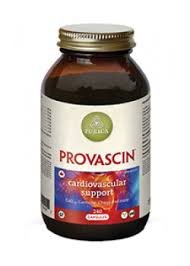
Most people searching for provascin are already a little worried maybe their doctor mentioned something about circulation, or they’ve started noticing that heavy, tired feeling in their legs after a long day. Whatever brought you here, you deserve a straight answer, not a wall of marketing language dressed up as health advice. So let’s actually talk about what this supplement is, what it does, and just as importantly what it doesn’t do.
What Is Provascin and Why Are So Many Adults Over 40 Turning to It?
Provascin is a cardiovascular dietary supplement made by Purica, a Canadian natural health company with a solid reputation in the wellness space. It comes in capsule form and is designed to support heart health, blood circulation, vascular function, and general wellness but it is not a prescription medication and is not intended to treat or cure cardiovascular disease.
Here’s a way to think about it: your cardiovascular system is like a complex plumbing network. Over time — especially if you’re sitting at a desk most of the day, eating on the go, and managing chronic stress that network starts to lose a little of its flexibility and efficiency. Blood doesn’t flow as freely. Your heart has to work a bit harder. You feel it as fatigue, brain fog, cold hands and feet, or that dull heaviness in your legs at the end of the day.
Modern lifestyles often include factors that negatively affect heart health, such as sedentary habits, poor diet, and chronic stress. As awareness about heart health has increased, supplements like provascin have become more widely used, particularly among adults over the age of 40 who are interested in maintaining healthy circulation and energy levels.
That’s not a coincidence. After 40, the body’s natural production of key compounds like CoQ10 starts declining, and the cumulative impact of years of lifestyle choices begins showing up in how you feel day to day. Provascin was designed with exactly this demographic in mind.
What’s Actually Inside Provascin? A Look at the Key Ingredients
This is where things get interesting and where a lot of supplement reviews fall flat by just listing names without explaining what they actually do in your body.
Coenzyme Q10 (CoQ10)
One of the most common ingredients found in Provascin formulations is CoQ10, which plays a crucial role in cellular energy production, particularly in the heart. Think of your body as a car engine CoQ10 acts like the spark plug that keeps everything running smoothly. Without enough of it, energy production slows down, especially in high-demand organs like the heart.
If you’re on a statin medication, this one matters even more. Statins while effective at lowering cholesterol are known to deplete CoQ10 levels in the body. Provascin’s CoQ10 content directly addresses that depletion, which is part of why adults on statin medications find this supplement particularly relevant.
L-Carnitine
L-Carnitine helps your body turn fat into energy. It supports your heart by giving it the fuel to work better, and many people report that it helps with energy and reduces tiredness. This isn’t a stimulant — it’s more like optimizing how efficiently your body uses what it already has.
Hawthorn Berry
This one has centuries of use behind it, not just decades. Hawthorn berry has a long history in traditional heart and circulation support. It contains plant compounds with antioxidant effects and may support blood vessel relaxation. Think of it as a gentle vasodilator — it helps blood vessels open up a little more so blood can move through more freely.
Worth noting: hawthorn may interact with drugs used by heart patients, and long-term safety beyond certain study periods is not well established. Anyone taking heart medication should speak with a doctor before using Provascin.
Grape Seed Extract and Antioxidants
The grape seed and green tea extracts in the formula support vein health and promote better blood flow to the legs. Provascin may also help people dealing with chronic venous insufficiency (CVI) — a condition that causes leg heaviness, swelling, and discomfort due to poor circulation.
Chaga Mushroom
This is the ingredient that often surprises people. Chaga is a medicinal mushroom that’s been used in Northern European and Siberian folk medicine for centuries, known for its dense antioxidant profile. Purica didn’t overload the formula with trendy extras or unproven megadoses — Chaga’s inclusion is deliberate, targeting oxidative stress which is a major driver of vascular aging.
Does Provascin Actually Work? Here’s What Honest Use Looks Like
Let me give you a realistic picture, because the supplement industry loves to make things sound more dramatic than they are.
A 52-year-old accountant who sits for 9 hours a day, takes a statin for borderline cholesterol, and gets winded climbing two flights of stairs that person is a reasonable candidate for Provascin. It’s not going to transform their cardiovascular health overnight. But as part of a broader effort that includes daily walks, a Mediterranean-style diet, and consistent sleep, it can provide meaningful nutritional support to fill gaps that diet alone often doesn’t address.
Most users report the first meaningful changes between 4 to 8 weeks. CoQ10 and hawthorn work gradually rather than acutely, so a 3-month consistent trial is a reasonable minimum evaluation period.
That last part is key. People who try a supplement for two weeks and conclude “it doesn’t work” are not giving it a fair chance. The cardiovascular system doesn’t respond to anything — diet, exercise, or supplements — in days. It responds over months of consistent effort.
Users often report improved energy levels and less daily fatigue after consistent use, thanks to the mitochondrial support from CoQ10 and L-Carnitine. Reduced leg heaviness and better stamina during moderate exercise are also commonly mentioned.
Who Should Be Careful or Skip It Entirely
This part matters just as much as the benefits section.
Pregnant women, breastfeeding mothers, and people taking strong medications should be careful, as some ingredients in Provascin can interact with medicines. It is always best to talk to a doctor before starting.
Provascin’s active ingredients stimulate pathways that lead to increased nitric oxide levels, allowing arteries to dilate more effectively. That’s great for circulation — but if you’re already on blood pressure medication or blood thinners, adding something that also affects vasodilation requires medical supervision, not guesswork.
Most people tolerate Provascin well, and serious side effects are rare. However, some users may experience mild digestive discomfort during the first few days, such as light nausea or bloating. These symptoms usually go away on their own as the body adjusts.
The most honest thing to say about who this is not for: if you’re dealing with chest pain, shortness of breath, significant swelling, or any active cardiac event, Provascin is not what you need. You need a doctor. Chronic venous insufficiency, swelling, leg pain, cold extremities, chest discomfort, and shortness of breath require medical evaluation — not a supplement.
How to Take Provascin for Best Results
For general prevention, Purica suggests taking 3 to 4 capsules per day. For people with existing cardiovascular concerns, the dose goes up to 6 to 8 capsules daily, but this higher amount should be discussed with a healthcare provider first.
Timing matters more than most people realize. It is best to take the capsules with a meal that contains some healthy fat, such as olive oil, nuts, eggs, or avocado. Fat-soluble ingredients like CoQ10 absorb much better this way.
The practical takeaway: don’t take it on an empty stomach, and pair it with breakfast or dinner rather than a quick mid-morning coffee.
Putting It All Together: Is Provascin Worth It?
Here’s the bottom line, stated plainly.
Provascin by Purica offers a thoughtful blend of natural ingredients that support heart health, energy production, and healthy circulation. It is not a miracle cure, but for adults looking to give their cardiovascular system extra nutritional support, it provides a well-rounded option backed by recognized ingredients like CoQ10, L-Carnitine, and Chaga mushroom.
If your lifestyle is already solid — you’re moving your body most days, eating reasonably well, sleeping enough, and managing stress — then provascin can be a smart addition to an already-good foundation. If you’re expecting it to compensate for a sedentary lifestyle and a poor diet, you’ll be disappointed. Supplements don’t work that way, and any honest review will tell you that upfront.
Combined with a healthy lifestyle, provascin is likely to remain relevant as awareness of cardiovascular health continues to grow and more people take a proactive approach to long-term wellness.
The right question isn’t “does provascin work?” The better question is: “Am I doing enough of the basics, and would targeted nutritional support help fill the gaps?” For a lot of adults over 40, the honest answer is yes — and that’s exactly who this supplement was designed for.