If you’ve been doing SEO for more than a year, you already know how painful it is to manually check where your keywords are landing — especially now that Google has basically turned the search results page into a completely different animal. The rank tracking tool AI mode that’s becoming standard across platforms like Semrush, Ahrefs, and newer tools isn’t just a feature update. It’s a shift in how the whole game works.
I’ll be honest — when I first heard about AI mode in rank trackers, I rolled my eyes. I thought it was just another buzzword slapped onto existing dashboards to justify higher pricing tiers. But after spending about three months using it consistently for client campaigns, I changed my tune pretty fast.
How AI Mode Is Changing the Way We Track Search Rankings
Traditional rank tracking is simple enough: you drop in your keywords, pick a location, and the tool pings Google every day or week to see where you’re showing up. That works fine when the SERPs are relatively stable. But in 2024 and 2025, with AI Overviews (formerly SGE) reshaping the top of the page, featured snippets eating clicks, and localized results varying wildly even within the same city — static rank tracking is leaving you half-blind.
AI mode in modern rank trackers does a few things that weren’t possible before:
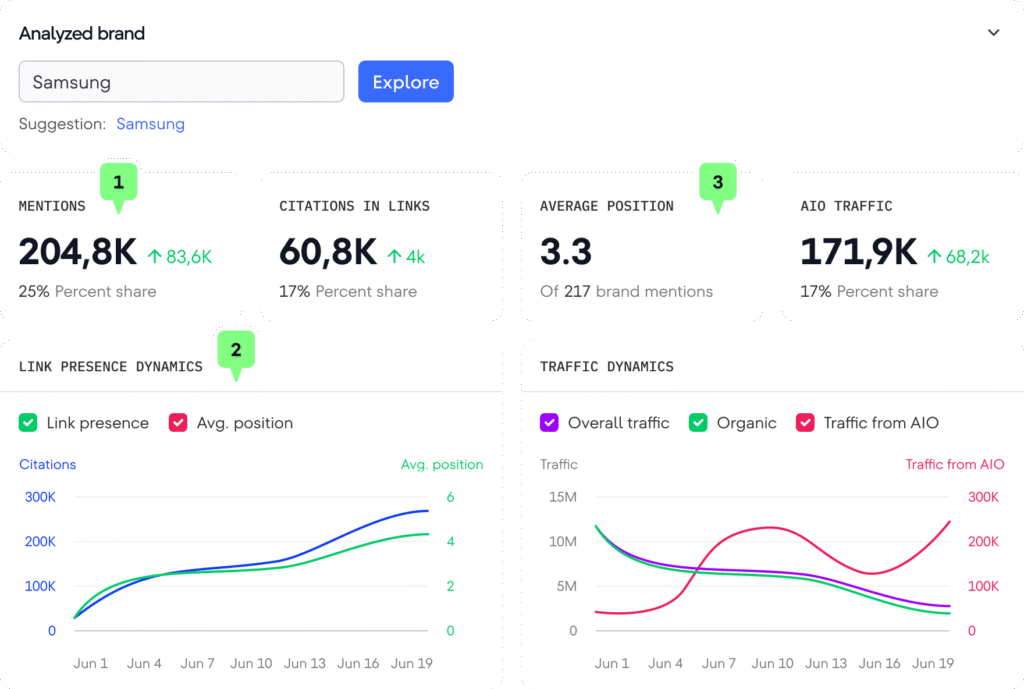
It tracks visibility, not just position. There’s a real difference between ranking #3 with an AI Overview pushing you below the fold versus ranking #3 with no featured snippet above you. Traditional rank tracking doesn’t know the difference. AI mode does. It analyzes the full SERP landscape and gives you a visibility score that reflects what users actually see.
It surfaces patterns you’d never manually catch. I was running a campaign for a local roofing company in Texas last year. Their rankings looked fine on paper — holding position 4 to 6 for their main keywords. But the AI analysis flagged that three of their best terms had seen an 18% drop in estimated click-through over 60 days because a map pack had started appearing above organic results. Without that insight, I would have kept reporting “stable rankings” while their actual traffic slowly bled out.
It forecasts before you react. This is the part that actually hooked me. AI-powered trackers can look at your ranking velocity, competitor movements, and seasonal signals to predict where a keyword is likely to go over the next 30 to 90 days. It’s not magic — it’s pattern recognition at scale — but it means you can start adjusting your content or backlink strategy before you see a rankings drop, not after.
Real Tools, Real Results: What AI Mode Looks Like in Practice
Let’s talk about specific platforms because vague promises don’t help anyone.
Semrush’s AI features are probably the most mature right now. Their Position Tracking tool has added AI-generated insights that flag when your rankings shift alongside significant SERP changes — not just “you moved from position 5 to position 7” but “you moved from position 7 to position 5 and a featured snippet appeared that likely captured 30% of those clicks.” That context is enormously useful when you’re trying to explain traffic changes to a client who’s looking at declining sessions despite better rankings.
Ahrefs has taken a slightly different approach, leaning into their AI content analysis tools that connect ranking performance to on-page factors. If you drop from page one, the AI surfaces the likely reason: thin content, slower page speed compared to competitors ranking above you, or a mismatch between your keyword intent and what’s actually ranking.
Toolify and newer entrants in the space are building AI mode natively, which means they don’t have the technical debt of retrofitting AI onto legacy systems. Some of these tools are especially strong for agencies managing dozens of clients because the AI can generate weekly ranking summaries and flag only the keywords that need attention — saving hours of manual review.
I tested one of these newer platforms for about 45 days across five client accounts. The AI summary reports alone saved my team roughly 6 to 8 hours per week that we used to spend manually cross-referencing rank data with traffic analytics.
What to Actually Look For When Choosing an AI-Powered Rank Tracker
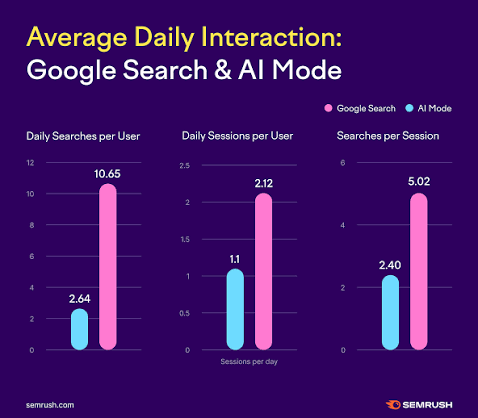
Not all AI mode features are equal, and some tools are essentially using the phrase as marketing rather than delivering meaningful intelligence. Here’s what separates genuinely useful AI rank tracking from the hype:
SERP feature tracking is non-negotiable. If the tool can’t tell you whether your keyword is showing an AI Overview, featured snippet, People Also Ask box, image pack, or local map pack — and how those features are affecting your visibility — then the AI layer isn’t doing much for you. Google’s SERP has become incredibly feature-rich, and your “rank” in isolation is close to meaningless for a growing number of queries.
Look for anomaly detection. Good AI rank trackers don’t just report data — they alert you when something unusual happens. A sudden 20% ranking drop across 15 keywords at the same time isn’t random; it usually signals a Google algorithm update or a technical issue. AI-powered anomaly detection can catch these things the same day, not after your next weekly report.
Competitor gap analysis should be automatic. Manually comparing your keyword positions to three or four competitors every week is tedious and easy to skip. An AI mode worth paying for should automatically surface moments when a competitor overtakes you on a valuable keyword and tell you what changed on their side — whether it’s new backlinks, a content refresh, or a technical improvement.
Integration matters more than people think. A rank tracker doesn’t exist in a vacuum. It should pull data from or push data to your analytics platform, your content calendar, and your reporting tools. AI features that only work inside a closed dashboard lose a lot of their value.
A Honest Take on the Limitations
I want to be fair here because there are real limitations to AI mode in rank tracking that nobody talks about in the sales pitch.
First, AI-generated insights are only as good as the data they’re built on. If the crawler is missing keywords, or if the tool has poor geographic precision, the AI layer is going to give you confident-sounding analysis based on incomplete information. Always sanity-check AI insights against your actual Google Search Console data.
Second, forecasting is genuinely useful but it’s still probabilistic. I’ve seen AI-powered rank forecasts be quite accurate across stable, low-volatility keyword sets. On highly competitive, volatile terms — anything in finance, health, or breaking news — the forecasts become much less reliable because too many variables change week to week.
Third, the learning curve is real. The tools that do AI mode well have dense dashboards and a lot of customization. If you’re a small business owner trying to track five keywords, you probably don’t need any of this. AI mode rank tracking is most valuable when you’re managing 200+ keywords across multiple locations or clients.

Should You Switch to an AI-Powered Rank Tracker Right Now?
If you’re an SEO professional or agency handling multiple accounts, the answer is yes — and you probably should have made the switch six months ago. The difference between showing a client “you rank position 6” versus “you rank position 6 but AI Overviews are appearing above organic results for this keyword, reducing estimated CTR by about 25%, and here’s how we recommend adjusting” is enormous. It changes your value proposition entirely.
If you’re a solo business owner or blogger managing a small site, the cost-benefit math is murkier. Some tools offer AI features at accessible price points, but you’ll want to make sure you’re getting concrete actionable output and not just a dashboard full of charts that require a data analyst to interpret.
The bottom line is this: the rank tracking tool AI mode trend isn’t a gimmick. It’s the industry catching up to the reality that Google’s search results are more complex than they’ve ever been, and a simple position number no longer tells you what you actually need to know to make good decisions.
The SEOs who figure out how to use these tools well — combining AI insights with their own strategic judgment — are going to have a serious edge over everyone still staring at a spreadsheet of position numbers.